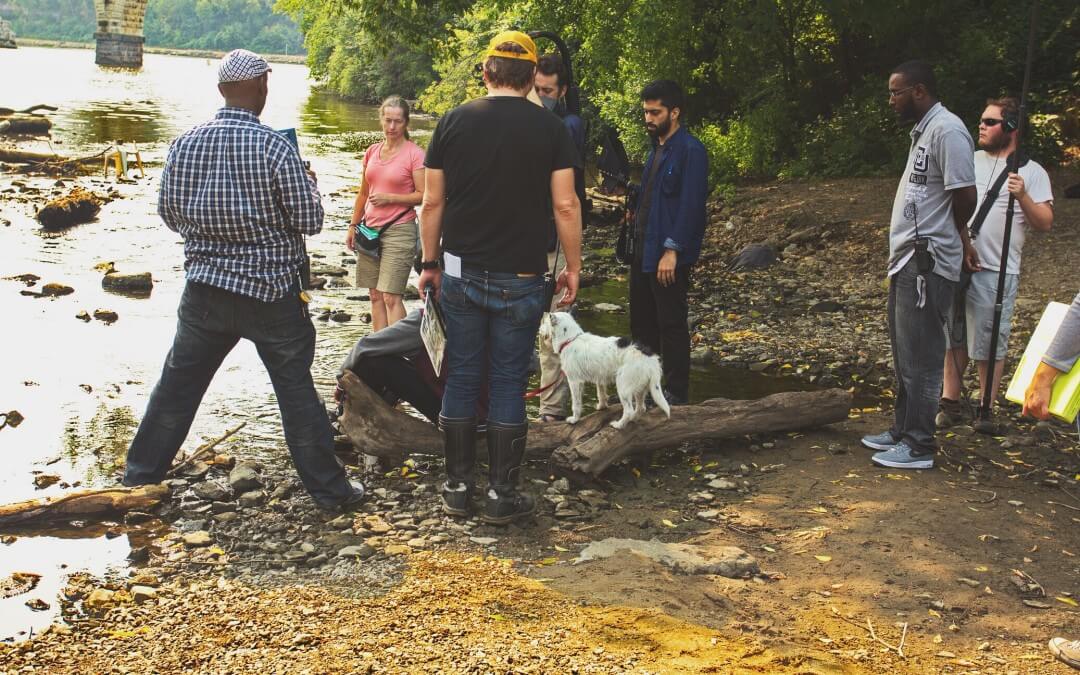
A few weeks ago a Club member’s dog was selected to participate in the filming of a local feature film production titled A Stray. Ayla was selected in part for her scruffy mixed breed looks and happy demeanor, but these were not the only characteristics that played into the decision. Handler/owners Karen Radford and Mike Regouski have trained Ayla exclusively at TCOTC and the skills that both handlers and dog required for movie work were all part of the training programs offered at TCOTC.
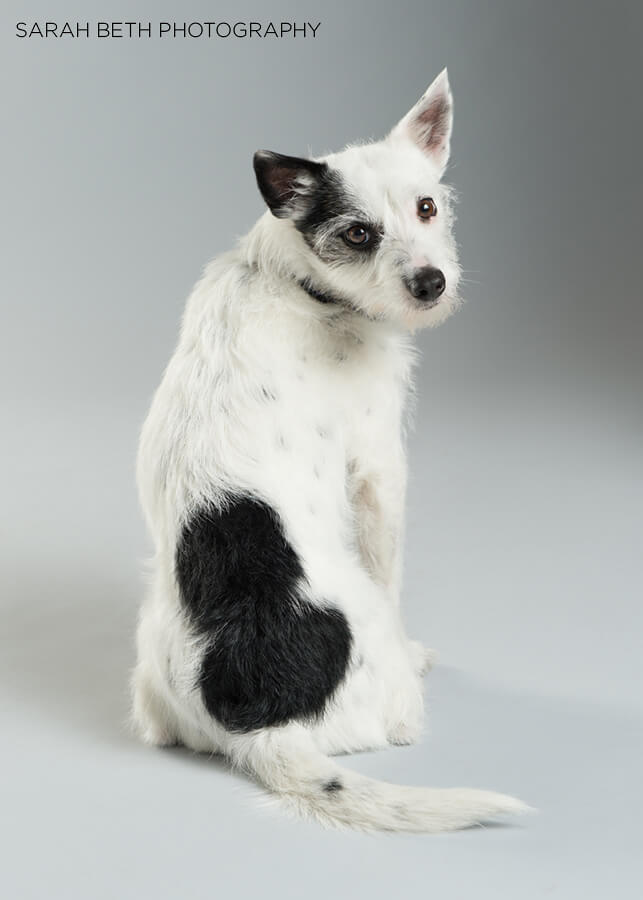
Debi Pool of Animal Talent Pool handled the process of casting and selecting the animals used in the film. For this movie, they wanted a dog that look like a stray dog, not a show type dog. They wanted a dog that could jump in and out of a duffle bag, fetch, bark, play dead, and limp. All of these behaviors needed to be on command and from a distance. In addition to the part of the stray dog, there was a litter of kittens, a back yard dog and a bird that could play dead.
Debi’s talent agency finds animal talent from print and broadcast media to live performances. When asked about the casting process, Debi said, “When we get a call for animals, we ask what they are looking for. Size, color, and breed preferences of the animal. We then ask what the animal needs to do and when they are planning to shoot. We send out an announcement to our email subscribers, post the info on our website and put it on Facebook.”
From the response from Debi’s posting, she puts together a list of suitable animals who fit the profile and are available for the project. Snapshots are then sent to the client, and from there the client can pick which animals they want to audition for the role.
Then there is the audition process. Debi talks about auditioning: “When we hold the audition we try to keep to a schedule, but sometimes there is a wait. If you do come to an audition and don’t get a call back for that project you may get a call for another project. We do like to see a lot of animals so we can give the client enough variety to pick from.”
Getting the part in a project often involves having the good luck of meeting the visual requirements of size, color and breed. However, there are tricks your dog can master that could help land a part. Animals used for commercials and movie work need to be social and have a solid stay in the sit, down or stand position. Animals should also be trained from a distance because most of the time you can’t be right next to your dog when shooting. Hand signals are best, especially for video shoots when sound is required.
You never know what is going to be needed for the next project, but Debi provided a list of some of the actions that were needed on command in the past, “Put head down, fetch, hold an item while in a sit or stand, dead dog, speak, eat on command, go to mark, come from mark, come through door and stop at mark, dig, itch self, tug on pant leg, lift leg to pee, skate board, roller skate, wear clothing, sleep in a hammock, smell flowers, sit with other animals, walk with other animals, have wind blown in face to get hair moving, paint or trim toenails, shampoo, haircut, swim just to name a few. Your dog does not need to know everything. He/she just needs to be willing to learn new things.”
One more very important thing to keep in mind if you are considering getting your dog into show business is the owner/trainer needs to have a flexible schedule. Sometimes there isn’t a lot of notice when an animal is needed. Some projects take a couple of hours and others may require a full day or a few weeks. Filming times for A Stray ranged from 4 AM starts to 2 AM wrap times both weekdays and week nights. Flexibility was key.
At TCOTC, your dog can learn all of the skills needed to play a part. Much of Ayla’s role was simply to be a good girl and hang out with the actor, but Ayla did need a few special skills for her movie career. She needed to have a strong sit and down stay in a variety of non-standard locations, a bark on command, a reliable recall, the ability to watch or look at someone, and a willingness to get into and ride around in a box or duffle bag. None of these activities are difficult, but they demonstrate the value of the clicker training, shaping and generalization skills Karen and Mike learned at TCOTC. Ayla developed her love to work while training at TCOTC, so developing new skills has been a fun game for her. Just as important is the trusting relationship that is developed when working and training with your dog. The positive reinforcement methods used at TCOTC can help you develop both good behavior and a trusting relationship, transforming your dog into a star both on screen and off.
Written by Karen J. Radford